Weight 1kg
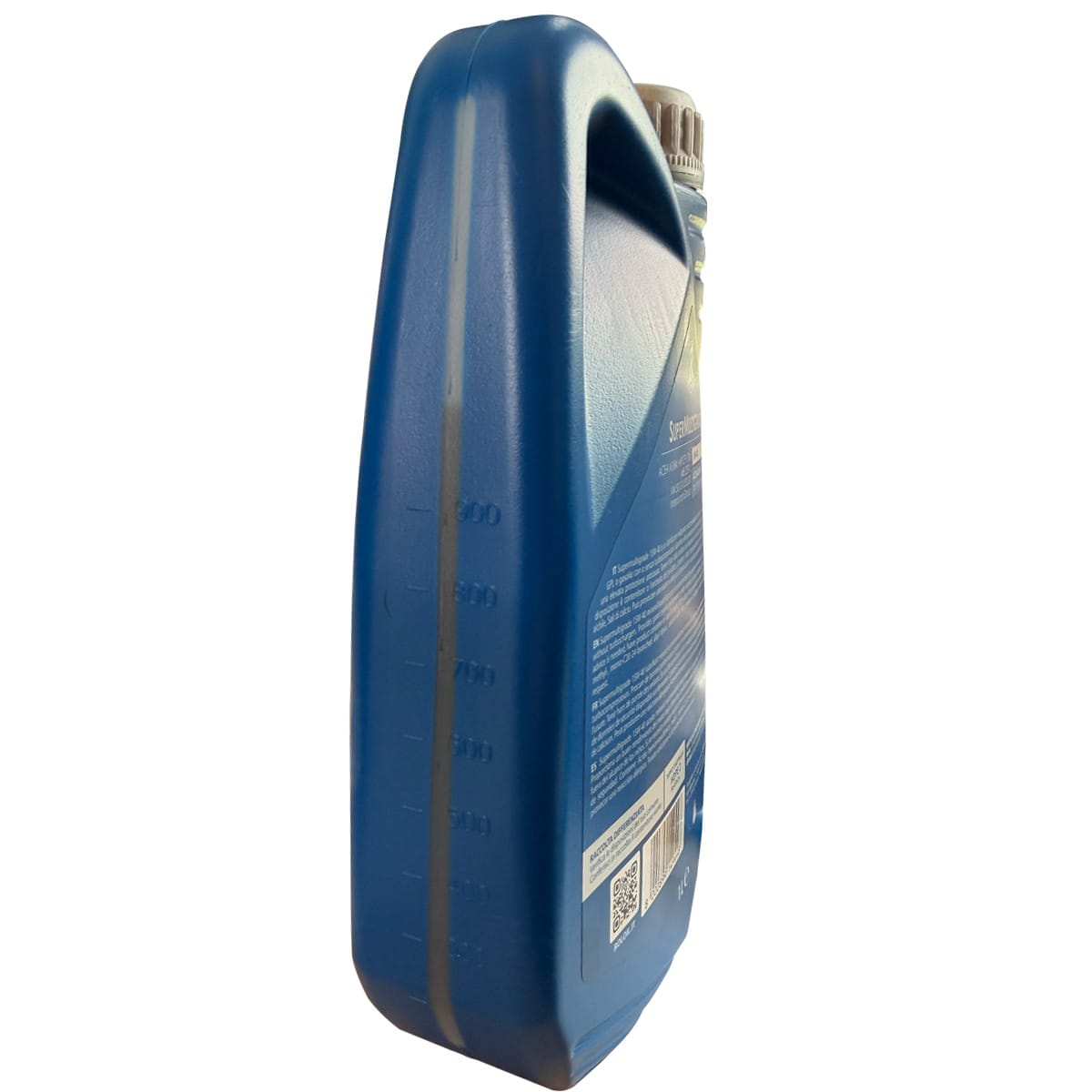
Dimensions 23 x 14 x 5cm
Click here for the Safety Data Sheet
£16.51 £13.76. Excluding VAT
Weight 1kg
Dimensions 23 x 14 x 5cm
Click here for the Safety Data Sheet
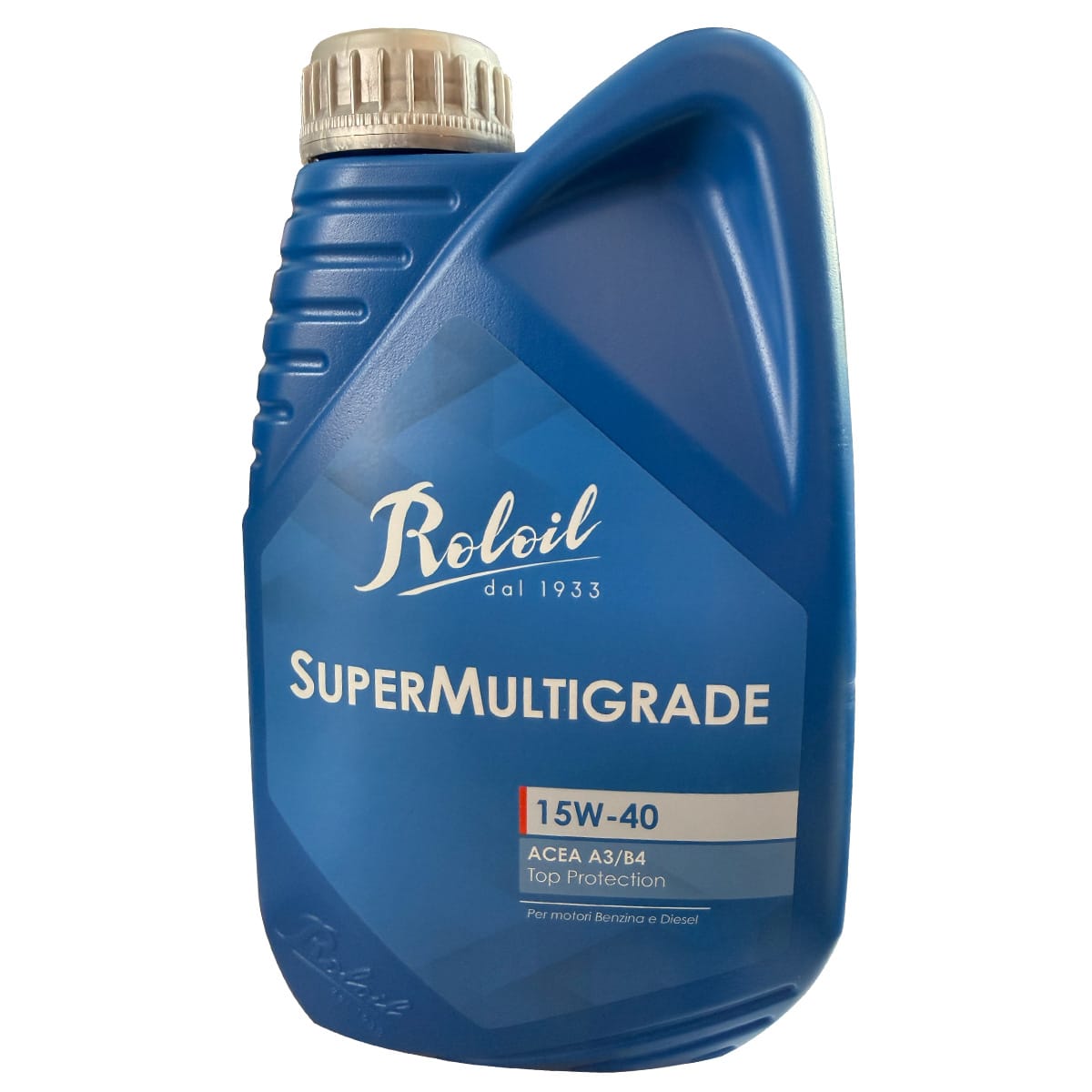
Interpump plunger pumps are high-performance units that require high-quality oil to ensure long life and reliable operation. The official Interpump plunger pump oil is a 15W/40, high-quality mineral oil.
While we always recommend using the official Interpump oil, equivalent oils can be used if they meet the same performance specifications.
Key Requirements for Equivalent Oil
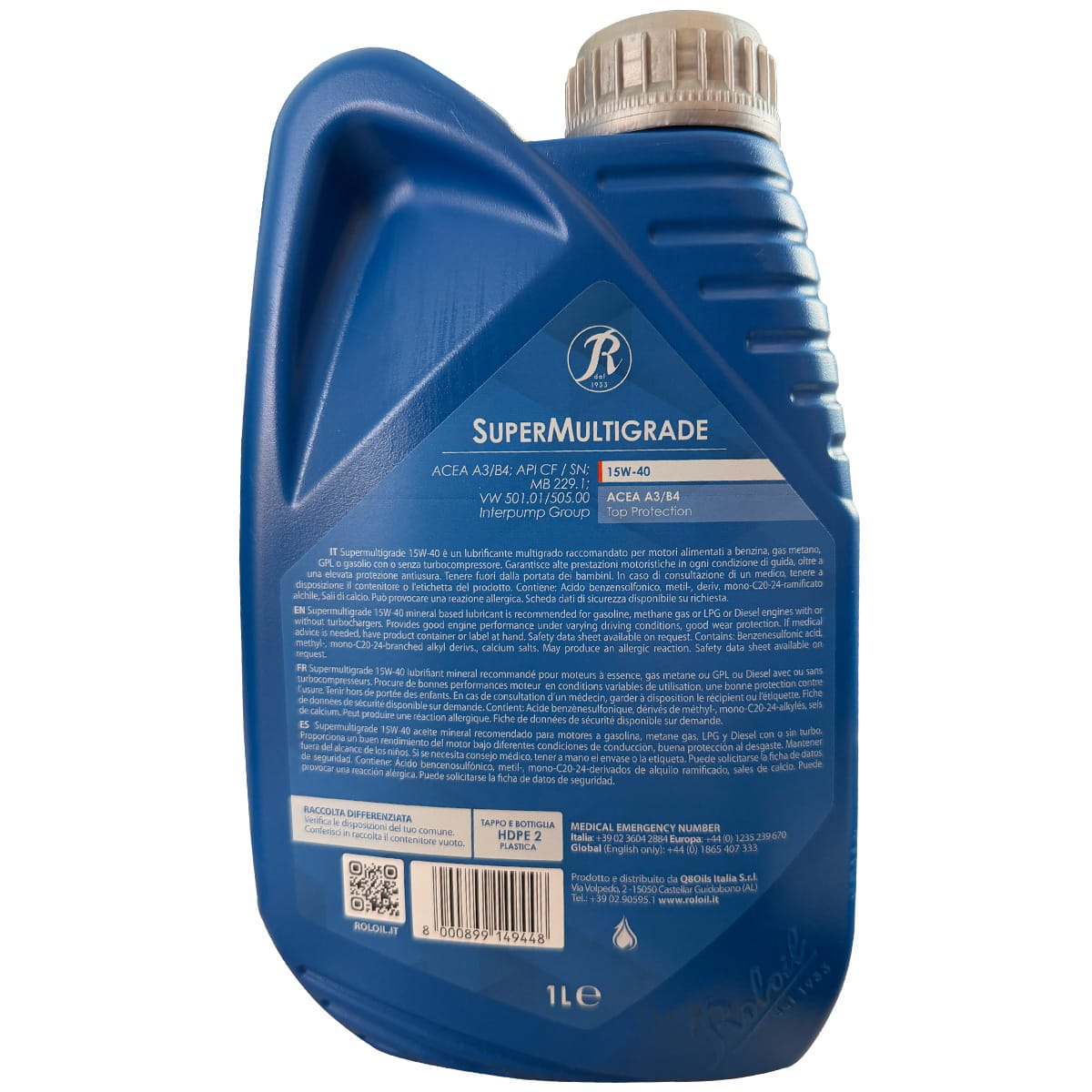
• SAE 15W/40 viscosity
• Mineral-based (Synthetic optional but not required)
• Detergent oil is acceptable – Interpump’s official oil contains detergents
• Must meet or exceed the following specs: o API SJ / CF-4
o ACEA A2/B2
o MB 229.1 / VW 501.01 / 505.00
You can often find suitable oils labelled for petrol/gasoline and light-duty diesel vehicles at autocentres or lubricants suppliers.
Summary
• Use a detergent or non-detergent SAE 15W/40 oil
• Official Interpump oil is recommended, but high-quality equivalents are acceptable
• Mineral oil is standard; synthetic is optional but acceptable
If you’re ever unsure, it’s safest to stick with Interpump’s official oil, p/n ZOIL.
Important Notes
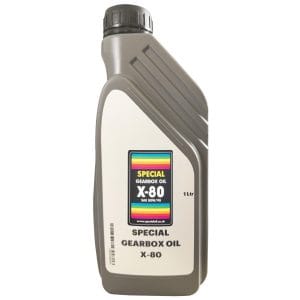
• Do not use two-stroke or gear oils
• Check oil levels regularly, especially in high-use environments
• Change oil as per service intervals – typically after the first 50 hours, then every 500 hours or annually
• If you are running your pumps in a hot (> 35°C) or cold (<5°C) environment or with hot water (>40°C), consult the pump manual or contact Interpump’s Technical Department for advice.
Some oil FAQs
Mineral vs Synthetic Oil – What’s the Difference?
• Mineral Oil: Made from refined crude oil. Usually cheaper and suitable for standard use. Interpump’s official oil is mineral based.
• Synthetic Oil: Man-made and more stable across temperature ranges. Better performance under high load or in extreme conditions, but more expensive.
• Both types can work if they meet the correct specifications – Interpump does not require synthetic oil, but it can be used if preferred.
What Do “15W/40” and SAE Mean?
• SAE: Stands for the Society of Automotive Engineers, which sets oil viscosity standards.
• 15W/40: Describes the oil’s viscosity (thickness). o The “15W” refers to how the oil flows in cold temperatures (“W” = winter).
o The “40” refers to how the oil behaves at operating temperature.
• This rating means the oil stays fluid enough in cold starts while still being thick enough to protect moving parts when hot.
What Are Oil Detergents?
Oil detergents are special chemical additives used in engine and machinery oils to help keep internal components clean. They work by:
• Preventing sludge and carbon build-up
• Neutralising acids formed during combustion or operation
• Holding contaminants in suspension so they can be filtered out or removed during an oil change
Detergent oils are especially common in engine oils, where they deal with combustion byproducts and heat.
In some older or more sensitive machinery, non-detergent oils were preferred to avoid foam or chemical interaction with seals. However, modern equipment (including Interpump plunger pumps) is typically compatible with mild detergent oils, providing the oil meets the correct specifications.